
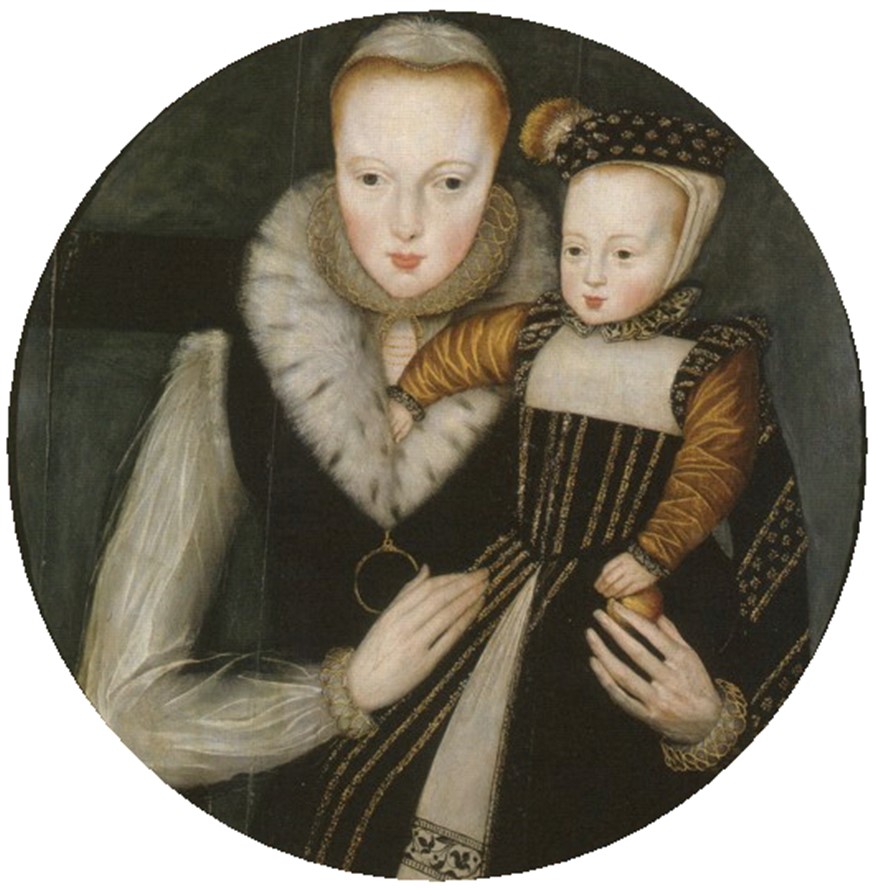
By Conor Byrne Instagram: @_cbhistoryFacebook: Conor Byrne Historian According to the last will and testament of Henry VIII, the throne of England should have been inherited by the descendants of Lady Katherine Grey when Henry’s younger daughter, Elizabeth I, died on 24 March 1603. A somewhat obscure figure in Tudor history, Katherine was the secondContinue reading “Lady Katherine Grey: Tudor Heiress”
Category Archives: Research Post
“Like an Anvil”: The Language of the Kartlis Tskhovreba and Tamar the Great

By Irene Carstairs Twitter: @CarstairsIrene Tamar of Georgia presided over a period of unprecedented expansion, as well as an era of peace and prosperity that would never be seen in the nation again. Under her reign, Georgian historical writing began to resemble something recognisable as history, not a collection of biblical stories, folktales, and kings.Continue reading ““Like an Anvil”: The Language of the Kartlis Tskhovreba and Tamar the Great”
The Great Loves of John Hervey, Part II
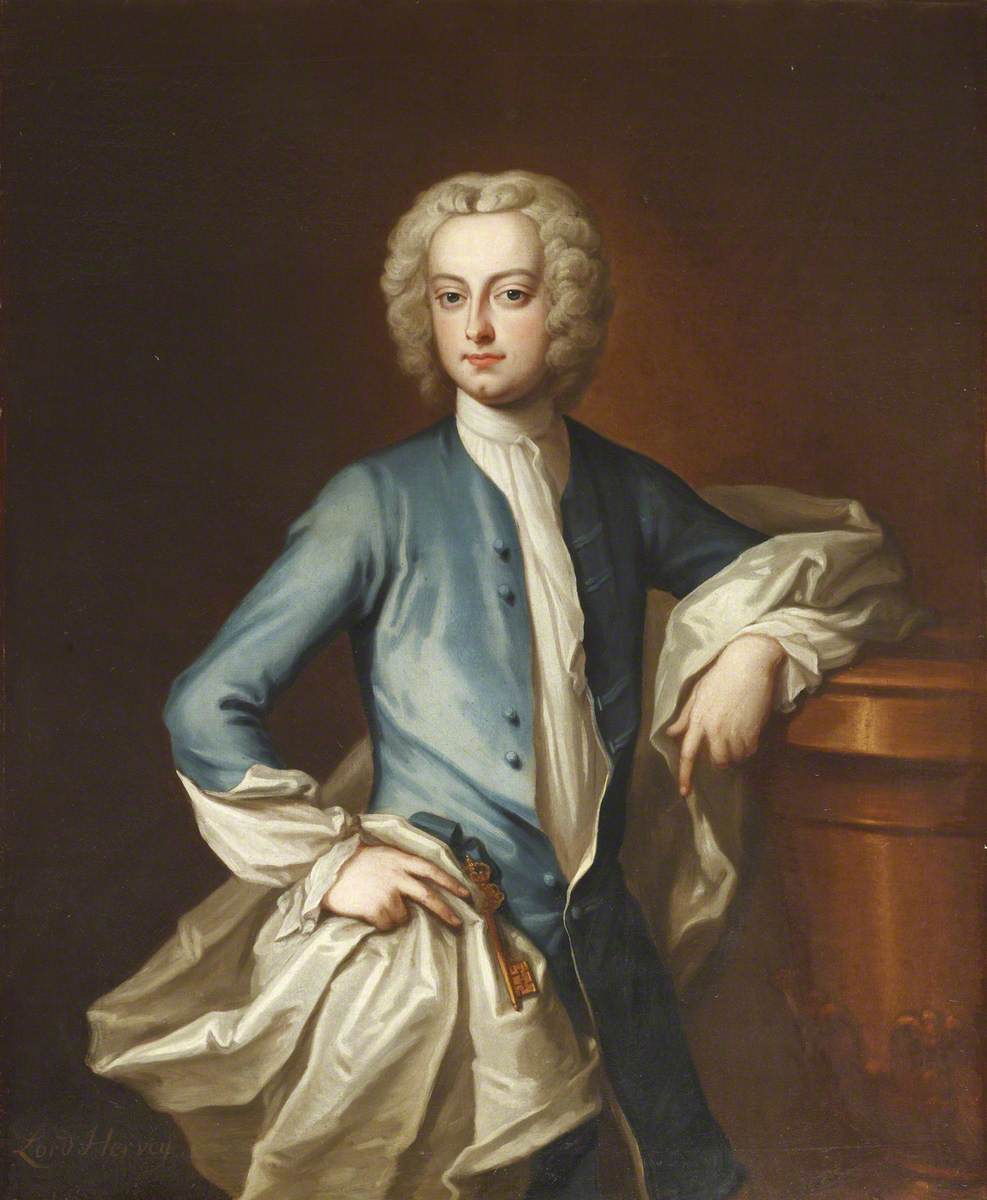
By Amy-Jane Humphries This second part of our last #Pride month post delves further into sexualities and royal studies, continuing the story of John Hervey.
The Great Loves of John Hervey, 2nd Baron Hervey (1696-1743)
By Amy-Jane Humphries For our last #Pride posts, we have a two-parter on the courtier John Hervey, his relationship with Caroline of Ansbach, queen of Great Britain and Ireland, and his role in LGBTQIA+ history!
A Queen Between Two Realms: Blanca of Navarre as Sicilian Lieutenant and Navarrese Princess, 1402-1415
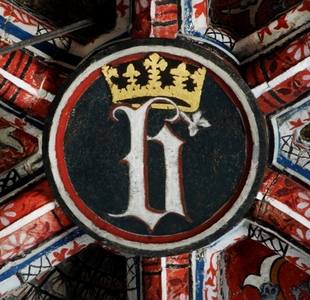
By Jessica Minieri Cover Photo: Blanca’s initial on the ceiling of the Cathedral de Santa María la Real in Pamplona, Spain (Wikimedia Commons). In 1402, Navarrese princess, Blanca (c.1387-1441), arrived in Palermo to marry the king of Sicily, Martí “El Joven” (r. 1390-1409), in an effort to secure his throne following the death of hisContinue reading “A Queen Between Two Realms: Blanca of Navarre as Sicilian Lieutenant and Navarrese Princess, 1402-1415”
Christina of Sweden: Queerness and Queenship in Fiction

By Amy Saunders For the third of our #PrideMonth posts, we have a special guest post from historian Amy Saunders on the iconic Christina of Sweden!
LGBTQIA+ History: Issues of Terminology

By Gabrielle Storey This piece is the second of four for Pride Month: in this discussion we briefly look at some of the issues around terminology in historical and art studies. We will be providing a specific reference piece for royal studies and sexualities at the end of the month!
The Monarchs of Pride
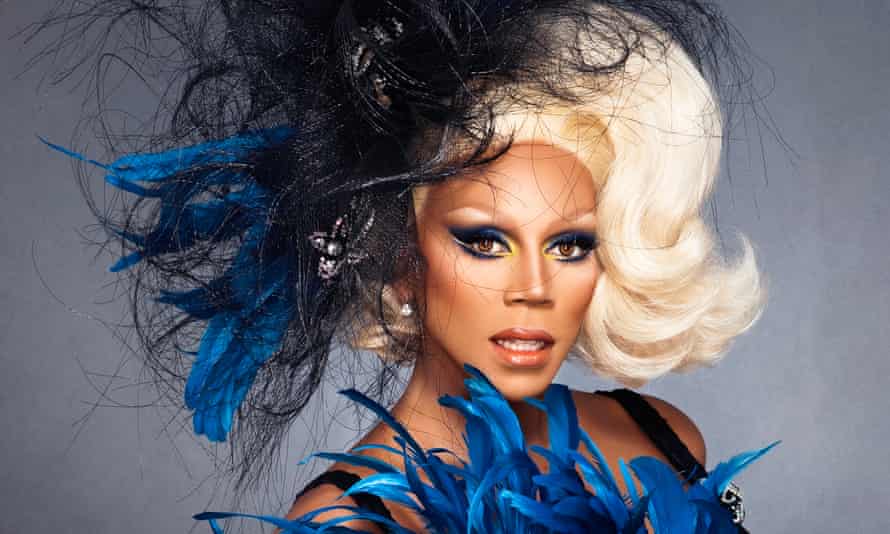
By Holly Marsden Cover Image: https://www.theguardian.com/tv-and-radio/2018/mar/08/rupaul-drag-race-transgender-performers-diversity Happy Pride month! To celebrate, we are going to explore a very different kind of royalty…drag queens and kings! It is firstly important to understand why the festivals, street parties and rainbow splattered vodka bottles exist. Pride celebrates queer culture, history and activism in commemorating the Stonewall Riots, whichContinue reading “The Monarchs of Pride”
The Mongolian Khatuns

By Katia Wright Many scholars of Mongolian history focus on the politics and warfare which resulted in an empire that stretched from Egypt to China. However, the absence of women in these discussions does not mean that Mongolia’s women, and indeed their khatuns (or queens), had little political, social, or economic power. Royal Mongolian womenContinue reading “The Mongolian Khatuns”
The Age of Queens in Medieval Lanka
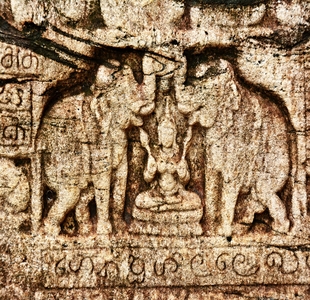
By Bruno M. Shirley (Cornell University)Twitter: @brunomshirley Lanka’s long twelfth century has been called many things: the “Augustine Age” of Sinhala-language literature; an Age of Reform for Buddhist institutional and intellectual lineages; a Golden Age of growing internal stability and external influence across the Bay of Bengal, at least under the long reign (c. 1153-86)Continue reading “The Age of Queens in Medieval Lanka”
 Team Queens